Website launch - discount code: TAKeTEN for 10% off
Copy That - Over And Out
Why COPY MERCH? why repetition, identity, influence, street culture, and why COPY may be copied by the people, but not exploited by corporations.
Dacarter
5/22/2026
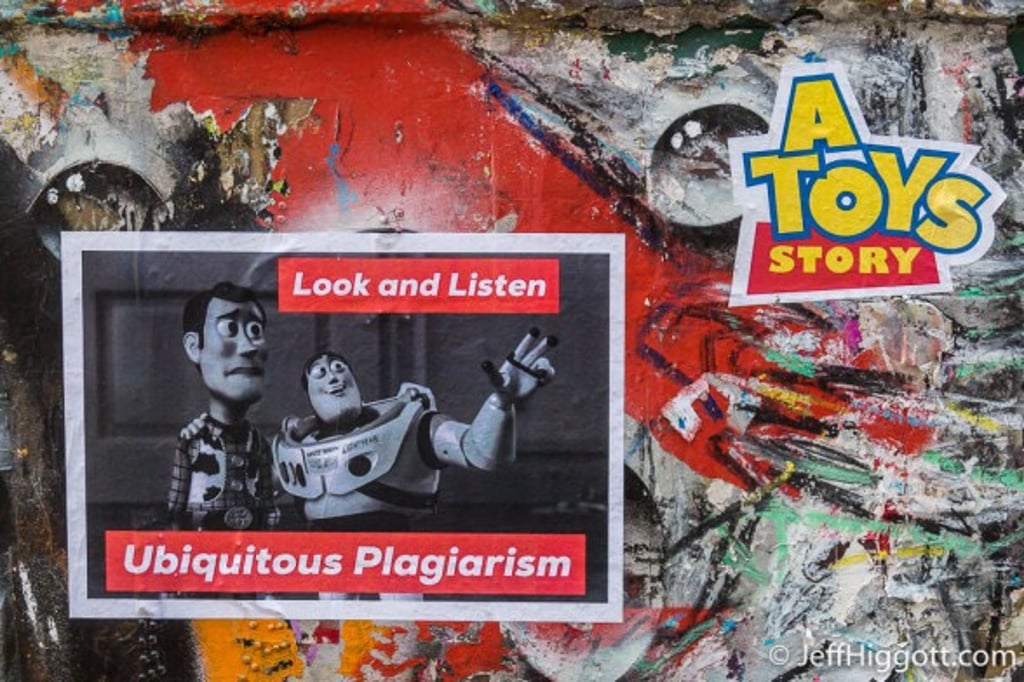
Understanding the Concept of 'Copy'
The term 'copy' often carries varied meanings in contemporary culture, representing not only the act of reproducing existing ideas but also embodying deeper societal reflections. In today's digitized environment, where trends and fashions proliferate at an unprecedented pace, the notion of 'copy' emerges as both a byproduct and a reflection of the times. Individuals are exposed to a deluge of imitations, whether in fashion, art, or popular opinion, leading to an experience of cultural repetition that many argue engenders a sense of stagnation.
This prevalent cycle of copying can elicit mixed feelings within societies. On one hand, replication serves as a homage to innovation, as artists, designers, and thinkers build upon established concepts to create new expressions. On the other hand, the excessive reliance on copying can diminish originality, leading to a homogenization of ideas across cultural spheres. Consequently, artworks and fashion trends often appear rehashed, leaving many to ponder the authenticity of creative expression in today's marketplace.
Moreover, the implications of copying extend beyond aesthetics. The act itself can be viewed as a cultural statement, an acknowledgment of collective experiences and the zeitgeist of a particular era. The very nature of copying implies the existence of an audience that resonates with familiar motifs and themes. In this sense, 'copy' becomes an honest representation of current cultural dynamics, revealing society’s collective consciousness and shared influences.
As a result, navigating the landscape of 'copy' requires critical reflection. It demands an awareness of the fine balance between homage and replication, creativity and stagnation. This nuanced understanding may reveal how copying, far from being a mere act of duplication, can pivot toward a more profound commentary on our collective identity and cultural resonance.
The Role of Repetition in Identity Formation
Repetition plays a fundamental role in the formation of individual identity, serving as a mechanism through which people assimilate the values, beliefs, and norms inherent in their environments. This process occurs both psychologically and socially, as individuals are influenced by the patterns they observe in their surroundings. From early childhood, individuals replicate behaviors and attitudes perceived in family, peers, and the broader community, leading to a mirrored sense of identity that evolves over time.
The psychological aspect of repetition in identity formation is rooted in various cognitive processes, such as learning and social conditioning. For instance, frequent exposure to certain behaviors or ideologies can lead to internalization, where individuals adopt these elements as a core part of their self-concept. This internalization creates a feedback loop; as individuals express these socially learned behaviors, they reinforce and solidify their constructed identity.
Moreover, the influence of widespread systems, such as media and technology, cannot be overlooked. Digital platforms are designed to perpetuate repeated content, creating a landscape in which certain identities are normalized while others may be marginalized. Social media, for instance, operates on algorithms that favor popular trends, further entrenching the identities that arise from these repeated exposures. As individuals participate in these platforms, they may unintentionally contribute to a homogenized view of identity that challenges the notions of originality and authenticity.
This phenomenon poses critical questions regarding individuality. As people adapt to visible standards set by societal cues and digital interactions, it raises discussions about the implications for personal uniqueness. Are identities merely a reflection of repeated societal influences, or can they coexist with authentic personal expression? The balance between these aspects is essential for understanding the complexities of identity formation in contemporary society.
Cultural Exchange
vs.
Cultural Exploitation
The dynamics of cultural exchange and cultural exploitation often occupy a contentious space in contemporary discourse. Cultural exchange entails the sharing of ideas, traditions, and practices among diverse communities, fostering mutual appreciation and understanding. This process can lead to enriched identities and collaborative growth. For instance, when artists from various backgrounds collaborate, they often derive inspiration from each other's heritages, creating unique products that resonate with multiple audiences. Such interactions, when conducted respectfully and with acknowledgment, can reflect the beauty of cultural dialogue.
Conversely, cultural exploitation arises when elements of one culture are appropriated for profit without consent or proper respect. It often manifests in commodified products that strip cultural significance from their origins, reducing rich traditions to mere marketing strategies. This phenomenon not only undermines the value of authentic cultural expressions, but it also perpetuates stereotypes and reinforces power imbalances. A prevalent example is the commercialization of Indigenous motifs in fashion, which frequently occurs without engaging with Indigenous communities or recognizing their historical contexts.
The role of corporations in this discourse is significant. With their vast resources and global reach, companies capable of mass-producing culturally inspired products can overshadow smaller community creators, who may derive their livelihoods from heartfelt, culturally significant practices. This raises ethical questions about ownership and authenticity, especially when corporations utilize cultural symbols to connect with consumers while neglecting the rightful custodians of those cultures. By critically examining these patterns, one can discern moments of genuine cultural appreciation from those that embody exploitation.
Ultimately, the line between cultural exchange and exploitation is nuanced and complex, necessitating ongoing conversations about the intention behind cultural representational practices. Understanding this landscape requires a commitment to mindful engagement and the promotion of equitable collaborations.
The Future of 'Copy': Art, Community, and Authenticity
As the landscape of artistic expression continues to evolve, the concept of 'copy' is poised to transcend its traditional boundaries. The project aims to broaden its reach beyond clothing items, venturing into various formats like art installations, music, and comics. These expansions are not merely about diversification; they reflect a deeper understanding of community engagement and cultural relevance. By integrating different artistic mediums, 'copy' underscores the potential for collaborative creativity that can strengthen communal ties and promote shared identities.
In envisioning these expansions, the project acknowledges the intrinsic link between art and community. Full participation in the creative process allows for a more authentic representation of diverse identities and experiences. As such, installations could become platforms for dialogue, showcasing local artists and facilitating discussions that matter deeply to community members. Moreover, music could play a vital role in establishing cultural narratives, giving voice to those often marginalized in mainstream contexts.
Central to this evolution is the ongoing discourse about authenticity in artistic endeavors. As 'copy' expands, it continues to challenge the notion of culture being confined within commercial frameworks. The focus shifts toward fostering environments where creativity thrives through mutual support rather than profit-driven motives. Communities can benefit from collective ownership of cultural expressions, thereby preserving authenticity while adapting to contemporary values.
By reconsidering how art intersects with community, 'copy' invites participants to contribute to a rich tapestry of narratives that resonate beyond traditional boundaries. This aligns with the broader cultural shift towards valuing authenticity and engagement. The future of 'copy' holds promise not only as a project but as a movement that enables cultural expressions to flourish organically within their communities.
info@copymerch.com
Website built and managed by Dacarter


© 2026. All rights reserved.
Join mailing list